

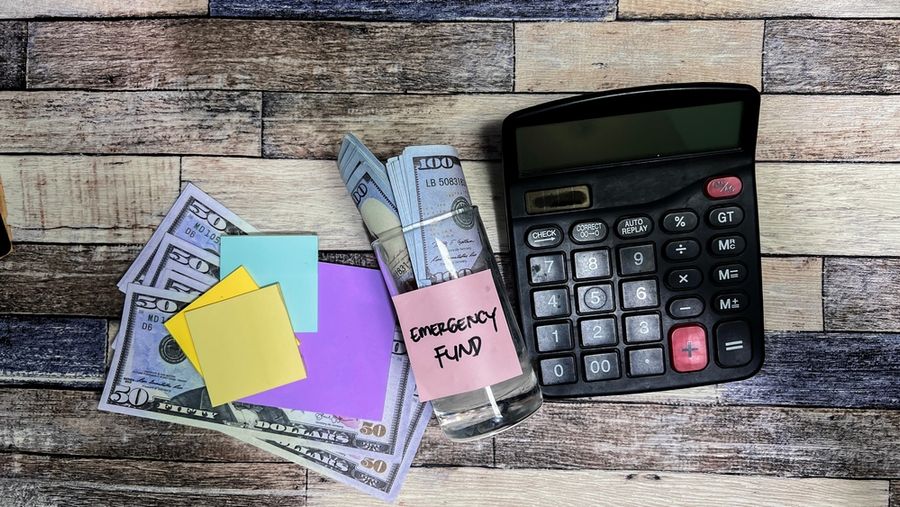
Building an emergency fund can feel difficult when money is already stretched thin. Many Americans face periods where income is limited and expenses seem to keep rising. Even so, having a financial cushion can make a big difference when unexpected costs appear. The good news is that building an emergency fund does not require large amounts of money all at once. With the right strategies, it is possible to make steady progress, even during tight times.
Start Small and Stay Consistent
One of the biggest mistakes people make is thinking they need to save a large amount right away. In reality, starting small can be more effective. Setting aside even a small portion of your income on a regular basis helps build momentum and creates a habit. Creating an automatic transfer for these funds can make the process even smoother.
Consistency matters more than the amount. Saving a little each week or month can add up over time. It also makes the process feel more manageable. When saving becomes part of your routine, it is easier to continue even when finances are tight. The goal is to build the habit first, then increase your contributions when possible.
Look for Small Ways to Reduce Spending
When money is limited, finding extra funds to save often comes from cutting back on spending. This does not mean removing everything you enjoy, but it does involve making thoughtful choices. Reviewing your recent expenses can help you spot areas where small changes can make a difference.
For example, you might reduce how often you dine out or cancel services you do not use often. Even small adjustments can free up money that can be redirected into your emergency fund. The key is to focus on changes that are realistic and sustainable, rather than drastic cuts that are hard to maintain.
Use Windfalls and Extra Income Wisely
Unexpected money can provide a valuable boost to your emergency fund. This might include tax refunds, bonuses, or any extra income from side work. Instead of spending these funds right away, consider putting a portion into savings.
Using these opportunities can help you build your fund faster without affecting your regular budget. Even setting aside part of a windfall can make a meaningful difference. Over time, these contributions can help you reach your savings goals more quickly.
Keep Your Emergency Fund Separate
It is important to keep your emergency fund in a separate account from your everyday spending money. This helps reduce the temptation to use it for non-essential purchases. When your savings are clearly set aside, it becomes easier to treat them as untouchable unless truly needed.
A separate account also makes it easier to track your progress. Seeing your balance grow can be motivating and encourage you to keep going. The goal is to create a clear boundary between your emergency savings and your regular expenses.
Prioritize What Matters Most
When building an emergency fund during tight times, it is important to focus on priorities. Essential expenses such as housing, food, and utilities should always come first. Once those are covered, you can look for ways to set aside money for savings.
This may require making trade-offs. For example, you might choose to delay certain purchases or limit non-essential spending in order to save. While this can be challenging, it helps create a safety net that can protect you in the future. Having even a small emergency fund can reduce stress and provide a sense of stability.
Stay Flexible and Adjust as Needed
Financial situations can change quickly, especially during difficult periods. It is important to stay flexible and adjust your approach as needed. If you have to pause your contributions for a short time, that is okay. The key is to return to your savings plan when you are able.
You can also increase your contributions when your situation improves. Building an emergency fund is not a one-time task, but an ongoing process. By staying adaptable, you can continue making progress even when circumstances change.
Building Security One Step at a Time
Creating an emergency fund during tight times may seem challenging, but it is possible with a steady and thoughtful approach. By starting small, cutting back where you can, and using extra income wisely, you can build a financial cushion over time.
Keeping your savings separate and focusing on your priorities helps protect your progress. With patience and consistency, even small steps can lead to greater financial security and peace of mind.