

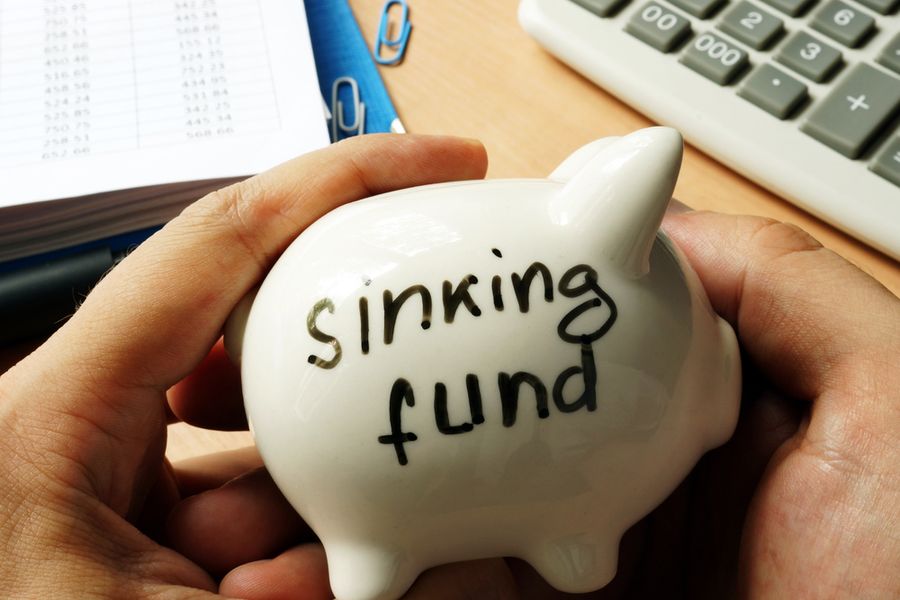
Irregular expenses can make even a well-planned budget feel unpredictable. Costs like car repairs, holidays, or annual bills do not happen every month, but they can still disrupt your finances when they arrive. Sinking funds offer a simple way to prepare for urgent expenses by saving small amounts over time. For many people in the United States, a sinking fund can reduce stress and help avoid relying on credit when unexpected costs appear.
What a Sinking Fund Is and How It Works
A sinking fund is a dedicated pool of money set aside for a specific future expense. Instead of scrambling to cover a large cost all at once, you save a small amount regularly until you reach your goal. This approach spreads out the financial impact and makes it easier to manage.
Each sinking fund is usually tied to a clear purpose, such as car maintenance, home repairs, or travel. You decide how much you need and how long you have to save, then divide that total into smaller contributions. Over time, the fund grows until you are ready to use it when the expense comes due.
Common Expenses That Fit Sinking Funds
Sinking funds work best for expenses that are predictable but not monthly. These might include insurance premiums, holiday spending, or back-to-school costs. Even though these expenses are not frequent, they often repeat each year, making them easier to plan for in advance.
They can also be used for less predictable costs, such as medical expenses or home repairs. While the timing may vary, having a fund in place can reduce the financial pressure when something happens. This flexibility makes sinking funds a useful tool for many different types of expenses.
How to Set Up Your First Sinking Funds
To get started, list the irregular expenses you expect over the next year. Try to think about both planned events and possible needs. Once you have your list, estimate how much each expense might cost and when you will need the money.
Next, divide the total amount by the number of months you have to save. This gives you a simple monthly contribution for each fund. You can keep these funds in separate savings accounts or track them within one account using labels or a spreadsheet. The key is to keep each fund clearly organized so you know what each portion of money is for.
Staying Consistent and Managing Contributions
Consistency is the most important part of using sinking funds successfully. Setting up automatic transfers can make it easier to stay on track without needing to think about it every month. Even small contributions can add up over time if you remain consistent.
It is also important to review your funds regularly. If your income changes or new expenses come up, you may need to adjust your contributions. Being flexible allows you to keep your plan realistic and aligned with your current situation.
Prioritizing and Sequencing Your Sinking Funds
When multiple sinking funds compete for limited income, prioritization becomes essential. Start by focusing on expenses with fixed deadlines, such as insurance premiums or known annual bills, since missing these can create immediate financial strain. After that, allocate funds toward variable or less urgent categories like travel or home upgrades. This sequencing ensures that your most critical obligations are covered first while still allowing room to plan for longer-term goals.
It can also help to rank your sinking funds by importance and timeline. For example, a car repair fund may take priority over a holiday fund if reliable transportation is necessary for work. By adjusting contributions based on urgency, you maintain balance without abandoning any category completely. Over time, this structured approach helps prevent gaps in coverage and keeps your overall budget stable.
Avoiding Common Mistakes
One common mistake is trying to fund too many categories at once. This can spread your money too thin and make it harder to reach your goals. It is often better to start with a few key expenses and expand as your budget allows.
Another issue is using sinking fund money for other purposes. Since the money is already set aside, it can be tempting to spend it on something else. Keeping clear boundaries and remembering the purpose of each fund helps protect your progress.
Turning Irregular Costs Into Manageable Expenses
Sinking funds offer a practical way to handle expenses that do not fit into a monthly budget. By saving small amounts over time, you can prepare for future costs without disrupting your finances.
This approach helps reduce stress, avoid debt, and build stronger financial habits. With clear goals and consistent contributions, sinking funds can turn irregular expenses into something predictable and easier to manage.