

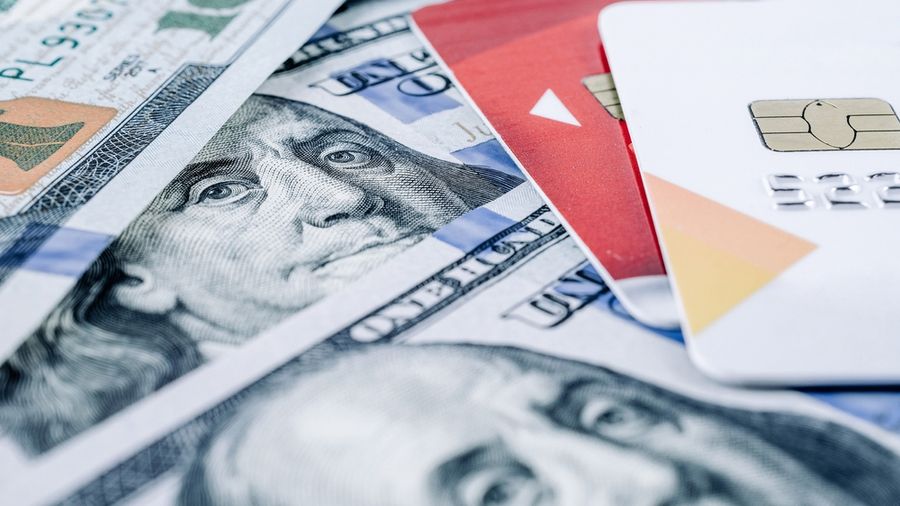
Choosing how to manage your daily spending can have a big impact on your budget. Two of the most common methods are using cash or using a debit card. Each approach offers its own benefits and challenges, especially for Americans who are trying to stay on top of their finances. Understanding how key methods work in real life can help you decide which one fits your habits and supports your financial goals.
How Cash Budgeting Works
Cash budgeting is based on using physical money for your spending. At the start of a week or month, you withdraw a set amount of cash and divide it into categories such as groceries, gas, or entertainment. Once the cash is gone, you stop spending in that category.
This method creates a clear limit. You can see exactly how much money you have left, which makes it easier to avoid overspending. Many people find that using cash helps them become more aware of their habits, since handing over money feels more real than swiping a card.
How Debit Card Budgeting Works
Debit card budgeting uses money directly from your bank account. Every purchase is taken from your available balance, and you can track your spending through your bank app or online account. This method is convenient and widely accepted, making it easy to use for everyday expenses.
With debit cards, you do not need to carry cash or worry about running out of physical money. You can also review your transactions at any time, which can help with tracking and planning. Many banks offer tools that group spending into categories, making it easier to see where your money is going.
Key Differences in Spending Behavior
One of the biggest differences between cash and debit is how they affect your behavior. Cash creates a stronger sense of limit because you can only spend what you have in hand. This can make it easier to stick to a budget, especially for categories where overspending is common.
Debit cards, on the other hand, offer more flexibility but can make it easier to lose track of spending. Since transactions happen quickly and without a physical exchange, it may not feel as immediate. This can lead to spending more than planned if you are not checking your balance regularly.
At the same time, debit cards provide better tracking. Every purchase is recorded, which makes it easier to review your spending later. With cash, you may need to keep receipts or write down expenses to maintain the same level of detail.
Convenience and Everyday Use
Convenience is another important factor. Debit cards are widely accepted and easy to use for both in-store and online purchases. They also allow for automatic payments, which can simplify managing bills and subscriptions.
Cash can be less convenient in some situations. Not all places accept it, and carrying large amounts may not feel comfortable or safe. However, for smaller, everyday purchases, cash can still be practical and easy to manage.
The choice often depends on your lifestyle. If you prefer quick and simple transactions, debit cards may be more suitable. If you want more control over specific spending areas, cash may offer an advantage.
Finding a Balance Between Both Methods
Many people find that using a mix of cash and debit works best. For example, you might use cash for categories where you tend to overspend, such as dining or entertainment. At the same time, you can use your debit card for fixed expenses and online payments.
This balanced approach allows you to take advantage of both systems. Cash helps control daily spending, while debit provides convenience and tracking. By combining the two, you can create a budgeting system that fits your needs without feeling too restrictive.
It is also important to review your system regularly. If one method is not working as expected, you can adjust your approach. The goal is to find a setup that supports your habits and helps you stay consistent.
Choosing the Right Method for Your Budget
The best budgeting method depends on your personal habits and preferences. If you struggle with overspending, cash may help you stay within limits. If you prefer convenience and detailed tracking, a debit card may be the better choice.
It can also depend on your financial goals. If your focus is on building awareness and control, starting with cash can be helpful. If your goal is to streamline your finances and reduce effort, debit may be more practical.
There is no single right answer. What matters most is choosing a method that you can maintain over time and that helps you manage your money effectively.
Building a Budget That Works for You
Both cash and debit offer useful ways to manage your spending, and each comes with its own strengths. Cash can provide clear limits and stronger awareness, while debit offers convenience and easy tracking.
By understanding how each method affects your behavior, you can make a more informed choice. Whether you use one or combine both, the key is to stay consistent and build a system that supports your long-term financial goals.